
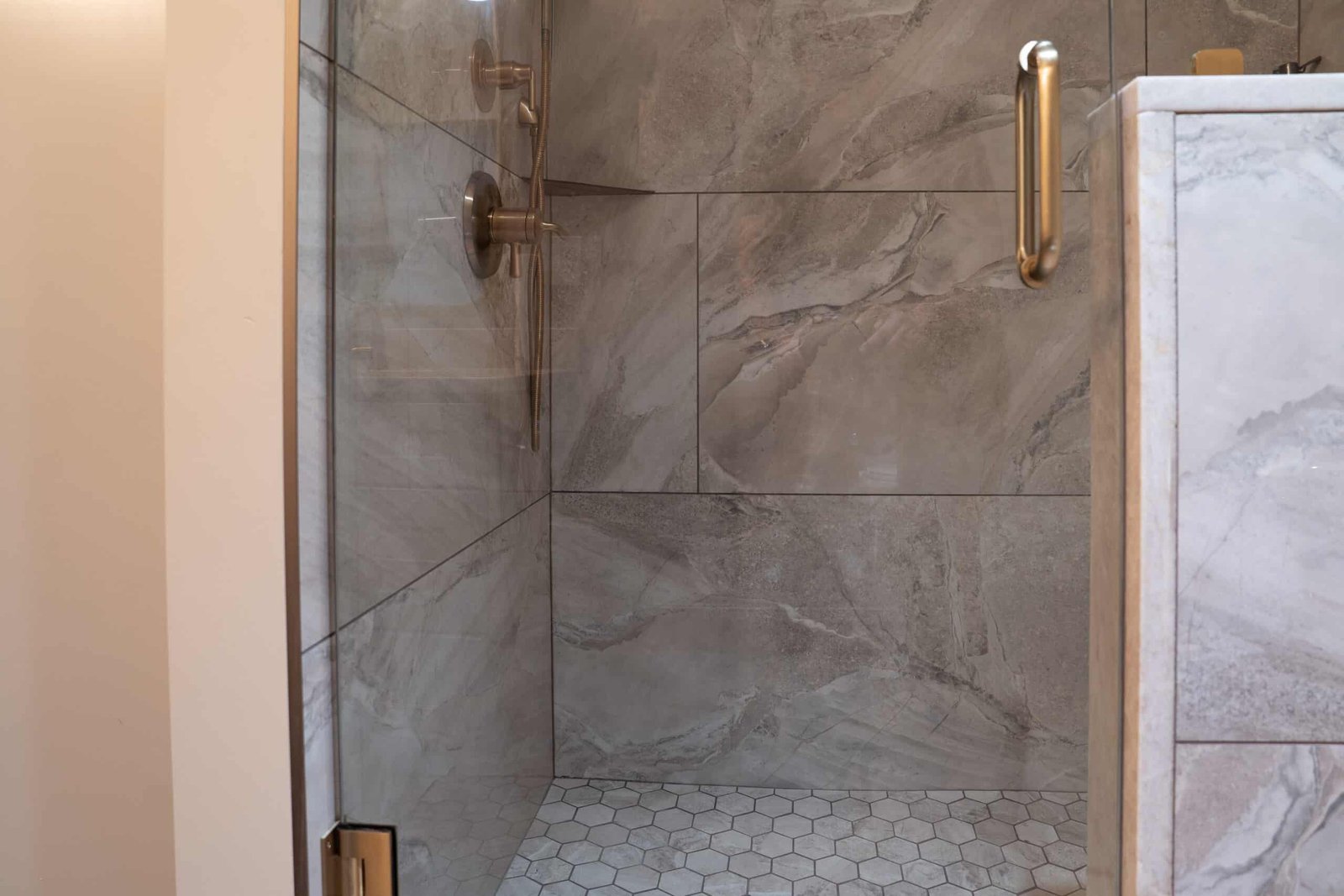
A beautifully designed shower can transform an ordinary bathroom into a relaxing, spa-inspired retreat. While shower fixtures and glass doors play an important role, tile is often the feature that defines the entire space. The right shower tile can add color, texture, personality, and long-lasting performance while protecting walls from moisture.
With endless options for materials, colors, patterns, and layouts, choosing shower tile can feel overwhelming. The best design balances visual appeal with practical considerations such as water resistance, maintenance, slip safety, and installation requirements.
This guide explores popular shower tile ideas, compares materials, and provides design tips to help you create a shower that is both stylish and functional.
What To Consider When Choosing Shower Tile
Water Resistance
Shower walls and floors need materials that can handle frequent moisture exposure. Porcelain and ceramic tile are popular choices because they resist water and are easy to maintain when properly installed. Natural stone can also be used in showers but typically requires sealing and regular care to prevent staining and moisture absorption.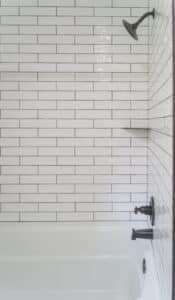
Slip Resistance
Shower floors require extra attention to safety. Smooth, polished tile may become slippery when wet, so many homeowners choose smaller tiles or textured finishes for shower floors. Good shower floor options include:
- Mosaic tile with more grout lines for traction
- Matte-finish porcelain
- Textured stone-look tile
- Slip-resistant specialty tile
Maintenance Requirements
Consider how much upkeep you want before choosing your tile.
- Low Maintenance options include:
- Porcelain tile
- Ceramic tile
- Large-format tile with fewer grout lines
- High Maintenance options include:
- Natural stone
- Certain textured tiles
- Light-colored grout
- Natural stone
Porcelain Tile: Durable and Versatile
Porcelain is one of the most popular shower tile materials because it combines durability, style, and moisture resistance. Modern porcelain tile is available in designs that mimic marble, natural stone, wood, concrete, and fabric textures.
- Benefits: Porcelain is a great choice for both shower walls and floors, especially for homeowners who want a luxury appearance with minimal maintenance. It is highly durable, with low water absorption and is very easy to clean.
Ceramic Tile: Classic and Affordable
Ceramic tile remains a popular option because it provides excellent design flexibility at an accessible price point. 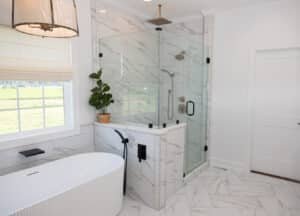
- Benefits: Ceramic tile is commonly used for classic subway tile designs, decorative accents, and colorful shower walls. It comes in a wide variety of colors and patterns, is easy to maintain, fits most budgets, and works well on shower walls.
Natural Stone Tile: A Luxury Look
Natural stone creates a unique, high-end shower design with organic textures and natural variation.
Popular Choices Include:
- Marble – Marble offers an elegant appearance with distinctive veining. It is often used in luxury bathrooms for a timeless look.
- Travertine – Travertine provides warm, earthy tones that work well with traditional and Mediterranean-inspired designs.
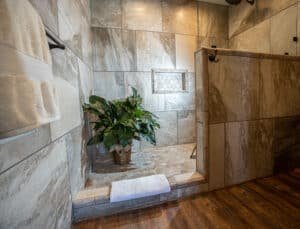
- Slate – Slate creates a textured, natural appearance and works well in rustic or modern spaces.
Considerations – Natural stone usually requires sealing and more maintenance than porcelain or ceramic tile. Proper care is essential for preserving its appearance.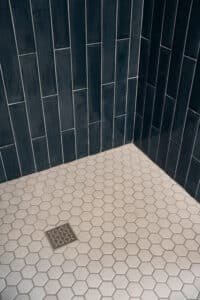
Glass Tile: Bright and Decorative
Glass tile is often used as an accent material to add color, reflection, and visual interest. It is most commonly used in shower niches, accent walls, decorative borders, and mosaic details.
- Benefits: Glass tile can make a shower feel brighter, especially in smaller bathrooms.
Popular Shower Tile Patterns and Layout Ideas
The pattern you choose can dramatically change the style of your shower.
Subway Tile
Subway tile is one of the most timeless shower designs. Its simple rectangular shape works with nearly any bathroom style. White subway tile with contrasting grout creates a classic look, while colored subway tile adds a modern twist. Design variations include:
- Traditional horizontal layout
- Vertical stack pattern
- Herringbone arrangement
- Mixed-size combinations
Large Format Tile
Large tiles create a clean, seamless appearance with fewer grout lines. Large-format marble-look porcelain is especially popular for creating a luxury spa aesthetic. Benefits include: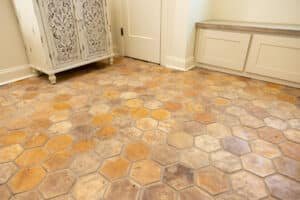
- Modern appearance
- Easier cleaning
- Makes smaller showers feel larger
Herringbone Pattern
The herringbone pattern adds movement and sophistication. This layout is a great way to add visual interest without using bold colors. It works well with:
- Subway tile
- Long rectangular tile
- Decorative accent areas
Mosaic Tile
Small mosaic tiles are popular for shower floors and accent areas. Mosaic tile provides flexibility for creating unique designs and helps improve traction on shower floors. Common Styles Include:
- Hexagon tile
- Pebble tile
- Glass mosaic
- Small porcelain patterns
Shower Niche Design Ideas
A shower niche is both functional and decorative. Tile selection inside the niche can create a design focal point. Ideas include:
- Contrasting mosaic tile
- Decorative patterned tile
- Matching tile with a different layout
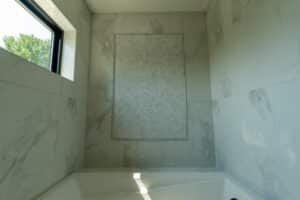
- Natural stone accent
A well-designed niche can add a custom, built-in appearance to your shower.
Coordinating Shower Tile With Bathroom Design
Your shower tile should complement the rest of the bathroom, including: vanity style, countertops, flooring, fixtures, and lighting. Popular design approaches include:
Neutral Spa-Inspired Bathrooms
- White or beige porcelain
- Marble-look tile
- Soft gray tones
- Natural textures
Modern Bathrooms
- Large-format tile
- Concrete-look finishes
- Matte black fixtures
- Minimal grout lines
Traditional Bathrooms
- Subway tile
- Classic stone
- Decorative borders
- Warm colors
Shower Tile Installation Tips
Proper installation is essential for preventing moisture problems. Important steps include:
- Use a waterproofing system behind the shower tile.
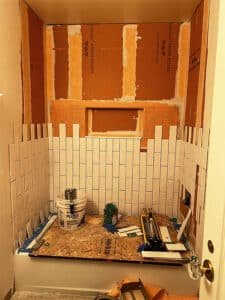
- Choose the correct mortar and grout for wet areas.
- Ensure proper slope on shower floors.
- Seal grout and natural stone when required.
- Hire an experienced installer for complex designs.
Create a Shower Design That Lasts
Shower tile is an opportunity to combine creativity with practical performance. Whether you prefer the timeless look of subway tile, the luxury of marble-look porcelain, or the natural beauty of stone, the right material and layout can completely transform your bathroom.
A well-planned shower is more than just a functional space—it can become a centerpiece of your bathroom and a place you enjoy every day.
At Tile Liquidators, we’ve spent over 30 years serving North Alabama. Understanding how we bridge the gap between “luxury” and “affordable” begins with understanding how our inventory model works. We combine premium brands with carefully selected imports to ensure that while our prices are competitive, the quality remains high enough for long-term residential and commercial use.