
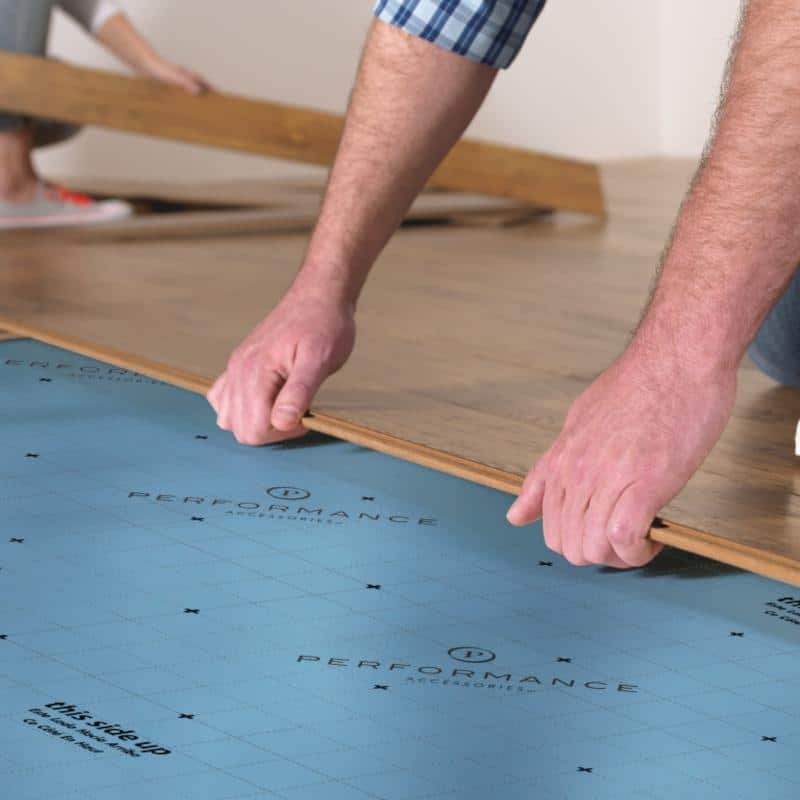
Installing new flooring is one of the best ways to transform the look, comfort, and value of your home. However, even the highest-quality flooring will not perform properly if it is installed over an uneven, damaged, or poorly prepared subfloor.
The subfloor is the foundation beneath your finished flooring, and proper preparation is one of the most important steps in any flooring project. Whether you are installing tile, hardwood, vinyl, laminate, or carpet, each material has specific requirements that must be met before installation begins.
This guide explains how to inspect, repair, and prepare a subfloor for different flooring types, helping DIY homeowners and contractors create a durable, professional-quality installation.
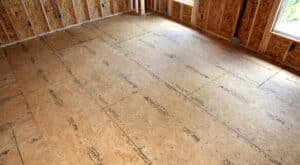
Why Subfloor Preparation Matters
A properly prepared subfloor helps prevent common flooring problems, including:
- Uneven surfaces
- Squeaking floors
- Cracked tile
- Gaps between planks
- Buckling or movement
- Premature wear
Many flooring failures are not caused by the flooring material itself but by issues underneath. Taking the time to prepare the subfloor correctly helps ensure your new floor looks great and performs well for years.
Inspect the Existing Subfloor
Before installing any new flooring, evaluate the condition of the existing surface. Check for:
- Uneven Areas – Low spots, high spots, and dips can cause flooring materials to fail or appear uneven after installation. Use a long level or straightedge to identify problem areas. Most flooring manufacturers have specific flatness requirements, so always check installation guidelines.
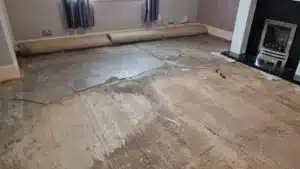
(Photo via r/afterthot270)
- Moisture Problems – Address moisture issues before installing new flooring. Moisture is one of the biggest threats to flooring performance. Look for water stains, mold or mildew, soft spots, and signs of leaks.
- Structure Damage – Any structural problems should be repaired before installation begins. Inspect for loose panels, cracked concrete, damaged plywood, and excessive movement.
Subfloor Preparation For Tile Flooring
- Tile Subfloor Requirements – For wood subfloors, installers often use a cement backer board or uncoupling membrane to create a suitable tile surface. A tile installation typically requires a strong, stable surface, minimal movement, proper flatness, and moisture protection when needed.

(Photo via Hardwood Floors Magazine)
- Preparing For Tile Installation – For areas exposed to moisture, such as bathrooms, waterproofing systems may be necessary. Before installing tile:
-
- Secure loose plywood panels.
- Remove debris, paint, or adhesives.
- Repair uneven areas.
- Install the recommended underlayment.
- Check for proper transitions and height changes.
Subfloor Preparation For Hardwood Flooring
- Hardwood Subfloor Requirements – Before installation, test the moisture content of both the subfloor and hardwood materials. Hardwood generally requires a clean dry surface, proper moisture levels, adequate structural support, and minimal unevenness.
- Preparing for Hardwood Installation – Because wood expands and contracts naturally, moisture control is especially important. Recommended preparation steps include:
- Remove old flooring materials if necessary.
- Repair loose or squeaky subfloor areas.
- Sand or level uneven sections.
- Ensure the subfloor is clean and dry.
- Install appropriate underlayment if required.
Subfloor Preparation For Vinyl Flooring
- Vinyl Subfloor Requirements – Small bumps or debris can create visible issues after installation. Vinyl typically requires a smooth surface, clean installation area, proper moisture control, and minimal imperfections.
(Photo via LVT)
- Preparing for Vinyl Installation – Floating vinyl floors especially benefit from a flat, stable surface. Before installing vinyl:
-
- Remove nails, staples, and debris.
- Fill cracks and low spots.
- Smooth rough areas.
- Check concrete moisture levels.
- Install recommended underlayment if required.
Subfloor Preparation For Laminate Flooring
- Laminate Subfloor Requirements – Laminate planks can separate or make noise if installed over uneven areas. A laminate subfloor should be clean, flat, dry, and structurally sound.
- Preparing for Laminate Installation – Underlayment can provide sound reduction, moisture protection, and additional comfort. Before installation:
-
- Remove old flooring when necessary.
- Repair uneven sections.
- Check for moisture issues.
- Vacuum thoroughly.
- Install the correct underlayment.
Subfloor Preparation For Carpet
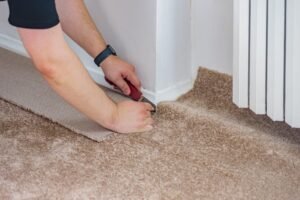
- Carpet Subfloor Requirements – Carpet requires a clean surface, stable structure, smooth transitions, and proper padding support
- Preparing for Carpet Installation – A good carpet pad not only improves comfort but also helps protect the carpet fibers from excessive wear. Before installation:
-
- Remove old flooring materials.
- Repair squeaks and movement.
- Remove debris.
- Check tack strip placement.
- Install quality carpet padding.
Preparing Concrete Subfloors
Many flooring materials can be installed over concrete, but the surface must be properly evaluated.
- Preparing for Concrete Installation – Concrete preparation is especially important for basements, garages, and areas where moisture may be present. Before installation:
- Check moisture levels.
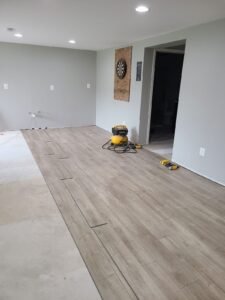
(Photo via Craving Some Creativity) - Repair cracks.
- Remove contaminants.
- Level uneven areas.
- Allow proper curing time.
Common Subfloor Preparation Mistakes to Avoid
- Installing Over Moisture Problems – Never cover a damp or damaged subfloor without addressing the source of the problem.
- Ignoring Uneven Areas – Small imperfections can become major issues after flooring installation.
- Skipping Manufacturer Requirements – Every flooring product has specific installation guidelines. Following them helps protect performance and warranties.
- Choosing the Wrong Underlayment – Underlayment serves different purposes depending on the flooring type. The wrong product can reduce performance.
Build a Strong Foundation For Your New Floor
Subfloor preparation is the foundation of every successful flooring project. Whether you are installing tile, hardwood, vinyl, laminate, or carpet, taking time to inspect, repair, and properly prepare the surface will help prevent future problems.
For DIY homeowners, careful preparation can make installation easier and improve the final result. For contractors, following proper subfloor standards ensures quality workmanship and satisfied customers.
At Tile Liquidators, we provide more than just materials; we provide the expert guidance to ensure your selections coordinate perfectly, and last for years. Our experts can help you assess your needs, educate you on the upkeep required, and connect you with the local professional teams who have the expertise to do the job right.