
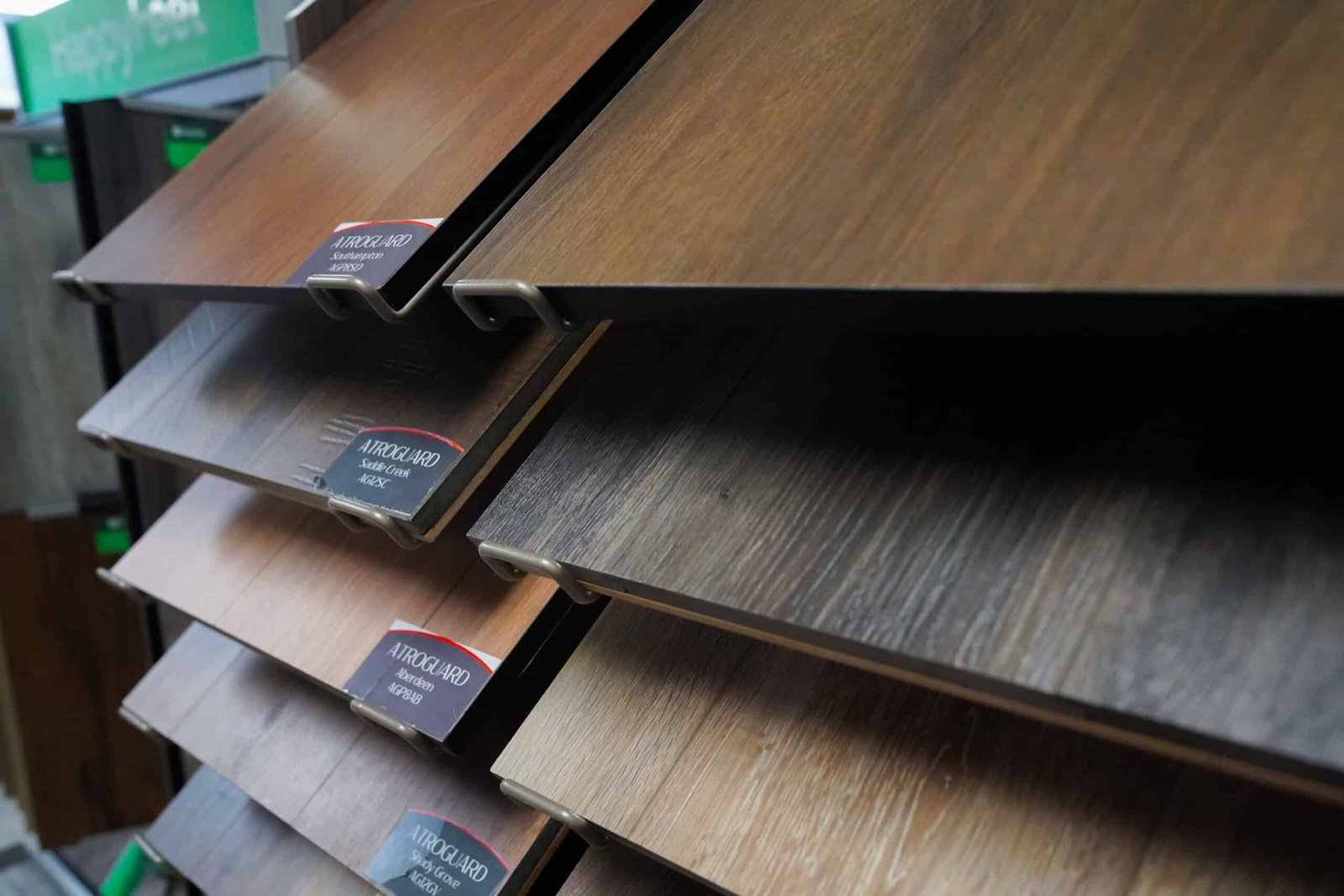
Laminate flooring has become a popular choice for homeowners who want the look of hardwood, tile, or stone without the higher price tag or maintenance requirements. With improved manufacturing technology, today’s laminate floors offer realistic designs, impressive durability, and easy installation, making them a practical option for many rooms throughout the home.
Whether you are remodeling a living room, updating a bedroom, or replacing worn-out floors in a high-traffic area, understanding what laminate flooring is and how it compares to other flooring options can help you make the right decision.
What Is Laminate Flooring?
Laminate flooring is a multi-layer synthetic flooring product designed to replicate the appearance of natural materials such as hardwood, stone, or tile. While the surface may look like real wood or stone, laminate is constructed using a combination of compressed wood fibers, decorative imagery, and protective coatings.
Most laminate flooring consists of four main layers:
- Wear Layer: The top protective layer helps resist scratches, stains, fading, and everyday wear.
- Decorative Layer: A high-resolution printed image creates the appearance of wood grain, stone, or tile patterns.
- Core Layer: The dense inner layer provides stability, impact resistance, and structural strength.
- Backing Layer: The bottom layer adds moisture protection and helps keep the flooring stable after installation. This layered construction allows laminate flooring to provide an attractive appearance while remaining affordable and durable.
Laminate Flooring vs. Hardwood
One of the most common comparisons is laminate versus hardwood flooring. Both can create a warm, natural look, but they differ in construction, cost, and maintenance.
Advantages of Laminate Compared to Hardwood
- Lower material and installation cost
- Resistant to scratches and dents
- Easier maintenance
- Available in a wide range of styles
- Simple installation options
 Hardwood flooring offers the advantage of being made from natural wood and can often be refinished multiple times. However, it typically requires a larger investment and may be more vulnerable to moisture and surface damage.
Laminate Flooring vs. Vinyl Flooring
Vinyl flooring, especially luxury vinyl plank (LVP), is known for its excellent water resistance and ability to handle moisture-prone areas. Laminate traditionally has been more vulnerable to water damage, although many modern laminate products now feature improved moisture-resistant construction.
Advantages of Laminate Compared to Vinyl
- More realistic wood texture in many designs
- Strong resistance to scratches
- Rigid construction that feels similar to hardwood
- Wide variety of styles
Vinyl Advantages Compared to Laminate
- Better moisture resistance
- Excellent choice for bathrooms and laundry rooms
- Softer and quieter underfoot
- Often suitable for below-grade applications
For dry areas such as bedrooms, living rooms, and hallways, laminate can be an excellent choice. For rooms with frequent moisture exposure, vinyl flooring may provide better performance.
Laminate Flooring vs. Tile

Advantages of Laminate Compared to Tile
- Warmer and more comfortable underfoot
- Faster installation
- Lower cost
- Easier replacement
- More forgiving surface
Tile remains an excellent choice for bathrooms, kitchens, and outdoor applications because of its ability to handle water and heavy wear. However, laminate can provide a more comfortable and cost-effective option for living areas and bedrooms.
Where Does Laminate Flooring Work Best?
- Living Rooms: Laminate is a popular living room choice because it creates the appearance of hardwood while standing up well to daily foot traffic, furniture movement, and family activity.
- Bedrooms: The comfortable feel and wide range of styles make laminate a practical option for bedrooms. Wood-look designs can create a warm and inviting atmosphere.
- Hallways and Entryways: High-quality laminate can handle busy areas where durability is important. Choosing a product with a strong wear layer can help protect against scratches and everyday wear.
- Home Offices: Laminate provides a professional, polished appearance that works well with modern office designs. It also offers a smooth surface for rolling office chairs.
- Areas to Use Caution: Traditional laminate is not always the best choice for areas with significant moisture, such as bathrooms, laundry rooms, and areas prone to flooding. If laminate is used in these spaces, choose a water-resistant product specifically designed for moisture exposure and follow manufacturer installation guidelines.
What to Look for When Buying Laminate Flooring
 When comparing laminate flooring options, consider these important features:
- AC Rating: The Abrasion Class (AC) rating measures durability and resistance to wear. Higher ratings indicate better performance.
- AC1: Light residential use
- AC2: Moderate residential use
- AC3: Heavy residential use
- AC4–AC5: Commercial-grade durability
- Thickness: Laminate flooring is commonly available in thicknesses ranging from about 7mm to 12mm. Thicker products often provide a more solid feel underfoot and may offer improved sound reduction.
- Installation Method: Many laminate floors feature click-lock floating installation, allowing planks to connect without nails or glue. This makes laminate a popular choice for remodeling projects.
- Design & Texture: Modern laminate offers realistic textures, colors, and patterns. Look for products with embossed surfaces that match the printed grain for a more authentic appearance.
Is Laminate Flooring Right For Your Home?
Laminate flooring provides an excellent balance of affordability, style, and durability. It offers the appearance of premium materials while requiring less maintenance and a smaller upfront investment.
For homeowners seeking attractive flooring for living rooms, bedrooms, offices, and other dry areas, laminate is a reliable and versatile option. While it may not replace tile in wet environments or hardwood for those seeking genuine natural materials, today’s laminate flooring delivers impressive performance and design flexibility.
Digital photos and online brochures are a great starting point, but flooring is a tactile experience. You need to see how the light hits the grain of a plank, how the texture of a tile feels under your hand, and how the color shifts throughout the day. Come down to any of our Tile Liquidators locations in Albertville, Huntsville, or Gadsden, and see for yourself what a difference it makes!