
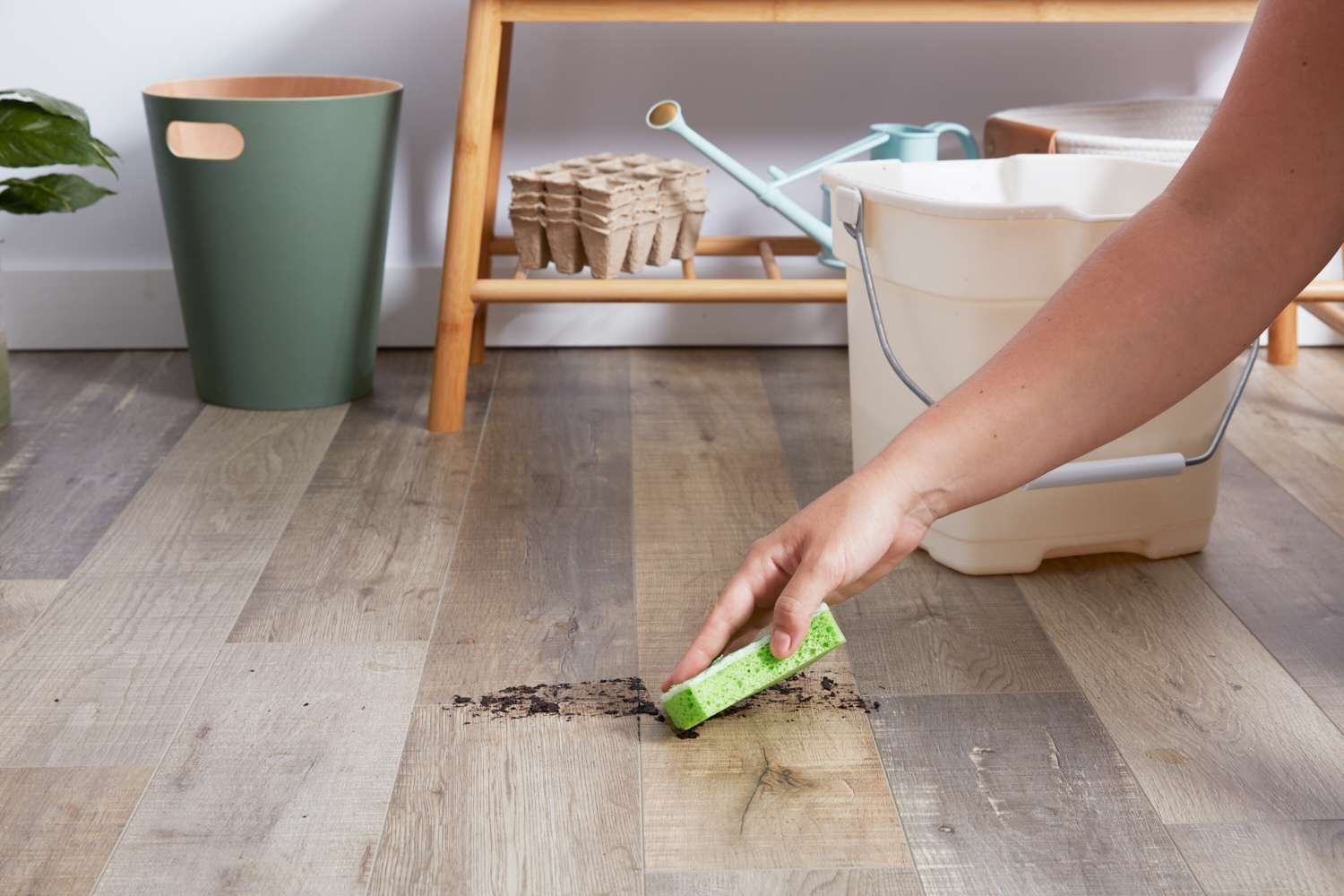
Flooring is one of the largest investments in your home, and proper care is essential for keeping it looking beautiful for years to come. While every flooring material has different cleaning requirements, a consistent maintenance routine can help prevent damage, extend the life of your floors, and protect your investment.
From tile and vinyl to hardwood, laminate, carpet, and concrete, each surface requires specific cleaning methods and products. Using the wrong techniques can cause scratches, stains, moisture damage, or premature wear.
This comprehensive flooring care guide explains how to clean and maintain the most popular flooring materials in today’s homes.
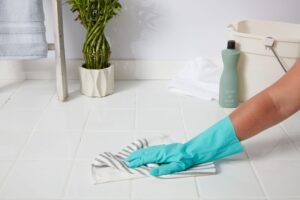
How To Clean and Maintain Tile Flooring
Tile flooring is known for its durability, moisture resistance, and low-maintenance performance. However, proper care is still important to keep tile and grout looking their best.
- Regular Tile Cleaning – For everyday maintenance. Avoid abrasive cleaning products that can dull tile surfaces or damage finishes:
- Sweep or vacuum regularly to remove dirt and debris.
- Mop with warm water and a manufacturer-approved tile cleaner.
- Clean spills quickly to prevent staining.
- Caring For Grout – Grout is often the most challenging part of tile maintenance because it is more porous than the tile itself. For kitchens and bathrooms, regular grout maintenance helps prevent discoloration and mildew buildup:
- Seal cement-based grout as recommended.
- Clean grout lines with a soft brush and mild cleaner.
- Avoid harsh chemicals that can weaken grout over time.
- Tile Maintenance Tips – Regular maintenance does not have a single answer. Every home is different and requires different needs. Some ways to counteract regular wear and tear include:
- Use rugs or mats in high-traffic areas.
- Place protective pads under heavy furniture.
- Avoid dragging sharp or heavy objects across tile surfaces.
How To Clean and Maintain Vinyl Flooring
Luxury vinyl plank (LVP), luxury vinyl tile (LVT), and sheet vinyl are popular because they combine durability with easy maintenance. Vinyl flooring is resistant to moisture and stains, making it ideal for busy households.
- Regular Vinyl Cleaning – Avoid excessive water when cleaning, especially around seams and edges. Recommended care includes:
- Sweep, dust mop, or vacuum regularly.
- Clean with a damp mop and vinyl-safe cleaner.
- Wipe spills immediately.
- Protecting Vinyl Floors – Vinyl flooring does not require waxing, and applying wax products can leave behind buildup or damage the finish. To prevent scratches and wear:
- Use felt pads under furniture legs.
- Avoid rubber-backed mats that may discolor some vinyl products.
- Keep pet nails trimmed.
- Use entry mats to reduce tracked-in dirt.
How To Clean and Maintain Hardwood Flooring
- Regular Hardwood Cleaning – Avoid soaking hardwood floors with water, as moisture can cause boards to swell, warp, or separate. For daily or weekly care:
- Sweep or vacuum with a hardwood-friendly attachment.
- Use a microfiber dust mop.
- Clean with a hardwood-specific cleaner.
- Protecting Hardwood Floors – Over time, hardwood floors may need professional refinishing to restore their appearance and protective finish. To extend the life of hardwood:
- Use area rugs in busy areas.
- Place mats near exterior doors.
- Maintain stable indoor humidity levels.
- Avoid high heels or sharp objects that can dent the surface.
How To Clean and Maintain Laminate Flooring
Laminate flooring offers the appearance of hardwood with excellent scratch resistance and easy maintenance. However, laminate requires protection from excessive moisture.
- Regular Laminate Cleaning – Avoid steam cleaners and soaking wet mops, which can damage laminate’s core layers. Recommended cleaning methods:
- Sweep or vacuum regularly.
- Use a lightly damp microfiber mop.
- Clean spills immediately.
- Protecting Laminate Floors – Unlike hardwood, laminate cannot typically be sanded and refinished, so prevention is especially important:
- Use furniture pads to prevent scratches.
- Avoid abrasive cleaners.
- Keep pet nails trimmed.
- Place rugs in high-traffic areas.
How To Clean and Maintain Carpet
- Routine Carpet Care – For best results:
- Vacuum at least once per week in normal-use areas.
- Vacuum high-traffic areas more frequently.
- Address spills immediately.
- For spills, blot liquids instead of rubbing.
- Use carpet-approved cleaning solutions.
- Avoid oversaturating the carpet.
- Professional Carpet Cleaning – Most carpets benefit from professional deep cleaning every 12–18 months, depending on household traffic, pets, and lifestyle. Using quality carpet padding also helps reduce wear by supporting the carpet fibers. Regular professional cleaning helps remove:
- Embedded dirt
- Allergens
- Odors
- Stains
How To Clean and Maintain Concrete Flooring
Concrete flooring has become increasingly popular for modern homes, garages, patios, and commercial spaces. Decorative finishes such as polished concrete, stained concrete, and epoxy coatings require proper care to maintain their appearance.
- Regular Concrete Cleaning – Avoid harsh acids or abrasive cleaners that may damage decorative finishes. For everyday maintenance:
- Sweep or dust mop regularly.
- Clean with a neutral pH cleaner.
- Remove spills quickly.
- Maintaining Sealed and Polished Concrete – Epoxy-coated concrete floors are especially durable but still benefit from routine cleaning and protection from sharp impacts. To protect concrete flooring:
- Reapply sealers as recommended.
- Use mats in high-traffic areas.
- Avoid dragging heavy equipment across the surface.
General Flooring Maintenance Tips
Regardless of the flooring material in your home, these habits can help protect your floors:
- Use Entry Mats – Dirt and grit act like sandpaper on flooring surfaces. Placing mats near entrances reduces the amount of debris brought indoors.
- Clean Regularly – Frequent light cleaning is better than occasional heavy cleaning. Removing dirt before it accumulates prevents scratches and wear.
- Follow Manufacturer Recommendations – Every flooring product has specific care guidelines. Using approved cleaning products helps protect warranties and maintain performance.
- Address Damage Quickly – Repair small problems before they become larger issues. Loose tiles, scratches, stains, or damaged areas can often be corrected more easily when addressed early.
Keep Your Floors Looking Their Best
Every flooring material has unique care requirements, but the goal is the same: regular cleaning, preventative maintenance, and proper protection. Tile requires grout care, vinyl benefits from gentle cleaning, hardwood needs moisture protection, laminate requires careful water control, carpet needs routine vacuuming, and concrete performs best with proper sealing.
At Tile Liquidators, we provide more than just materials; we provide the expert guidance to ensure your selections coordinate perfectly, and last for years. Our experts can help you assess your needs, educate you on the upkeep required, and connect you with the local professional teams who have the expertise to do the job right.