
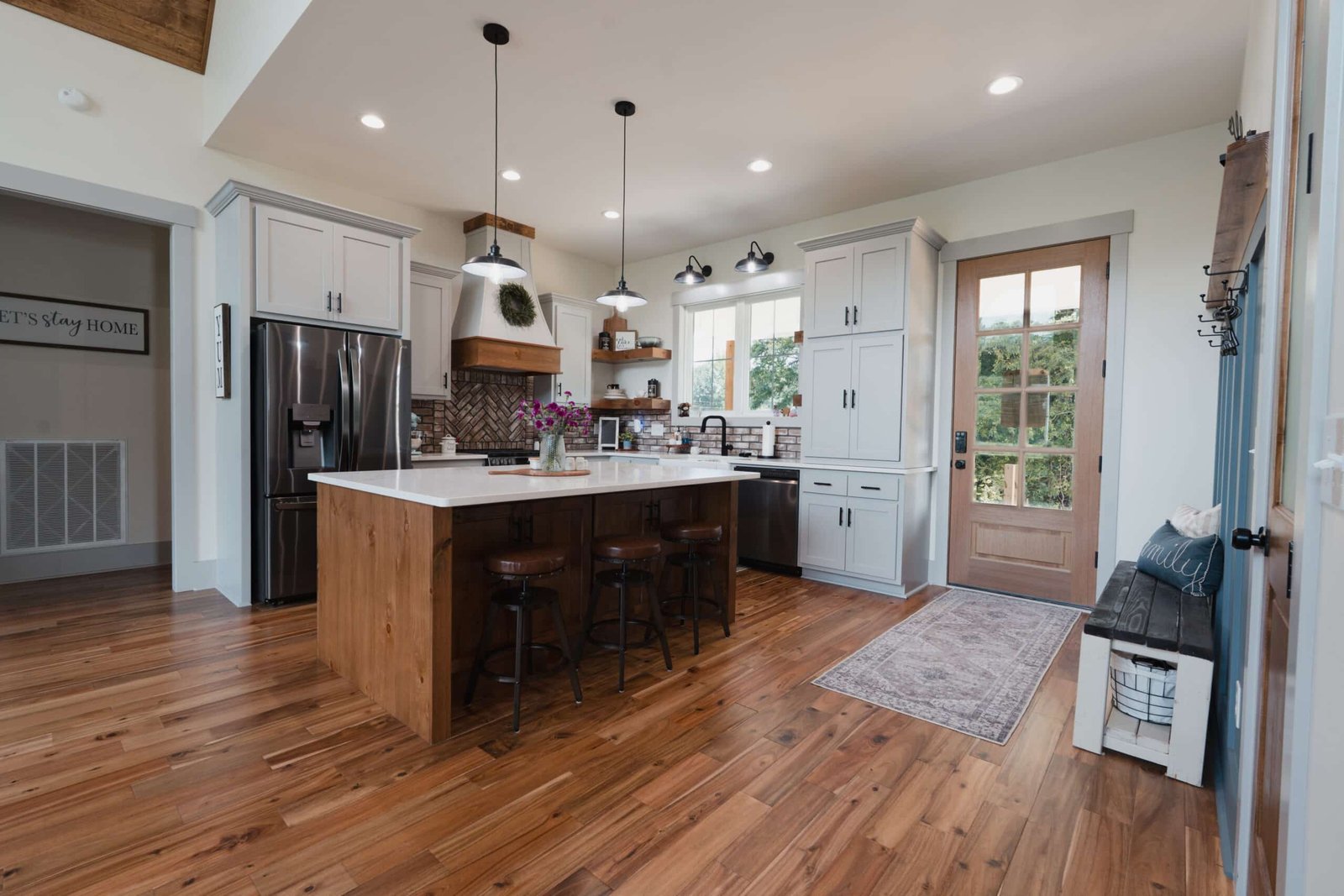
For many homeowners, flooring is one of the most visible ways to refresh a space. But beyond the aesthetic appeal, a frequent question remains: Does installing new flooring actually pay off when it comes time to sell? The short answer is yes—but the return on investment (ROI) depends heavily on the materials you choose, the condition of your current floors, and the overall market expectations in your area.
The ROI of Flooring Upgrades
Upgrading worn, outdated, or damaged flooring is widely considered one of the most effective ways to increase a home’s appeal to potential buyers. Buyers often prioritize “move-in ready” homes, and new flooring—especially in main living areas—creates an immediate sense of cleanliness and modernization.
While ROI varies, high-quality flooring upgrades often recoup a significant portion of their cost. The key is balance: choosing materials that are durable, stylish, and suited to the specific room.
Where You Get the Most Value
Not all rooms offer the same return. When planning your investment, focus your budget on these high-impact areas:
1. Main Living Areas (Hardwood and High-End LVP)
- The Trend: If solid hardwood isn’t in your budget, high-quality Luxury Vinyl Plank (LVP) has become an accepted, high-value alternative. It mimics the look of natural wood while offering superior moisture resistance, which appeals to modern buyers.
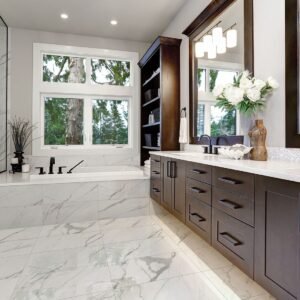
2. Bathroom and Kitchens (Tile)
- Added Benefit: Because tile is resistant to water, stains, and heat, it signals to buyers that the home is well-maintained and built to handle daily wear.
3. Basements and Utility Areas (Sealed Concrete)
- Smart Choices: Installing professionally sealed concrete can turn a “storage-only” basement into usable living space. This extra square footage can dramatically increase your home’s market value.
Factors That Influence ROI
- Consistency: Avoid “patchwork” flooring where every room has a different material. Continuity—using the same flooring throughout main living areas—makes a home feel larger and more cohesive, which is highly attractive to buyers.
- Quality Over Cheapest Price: While it’s tempting to choose the least expensive option, buyers can often spot low-quality materials. Investing in mid-to-high-range flooring that looks authentic and feels durable is more likely to yield a positive return.
- Market Standards: Research what other homes in your neighborhood are using. If most homes in your area feature hardwood or tile, replacing your old carpet with budget vinyl may not provide the boost you are hoping for.

The Verdict: Is It Worth It?
If your existing floors are scratched, stained, or visibly dated, new flooring is almost always a worthwhile investment. It improves the “first impression” of your home, which is crucial for selling quickly and at a higher price point.
The best ROI comes from choosing materials that match your home’s price bracket. In entry-level homes, durable LVP or updated laminate may be perfect. In luxury homes, real hardwood or stone tile is often expected.

We don’t just sell flooring at Tile Liquidators; we can review your floor plans, help you calculate material needs, and even recommend affordable, trusted installation vendors we have worked with for years. We take the stress out of the process, ensuring you get the right products at the best prices, all without the hassle.