
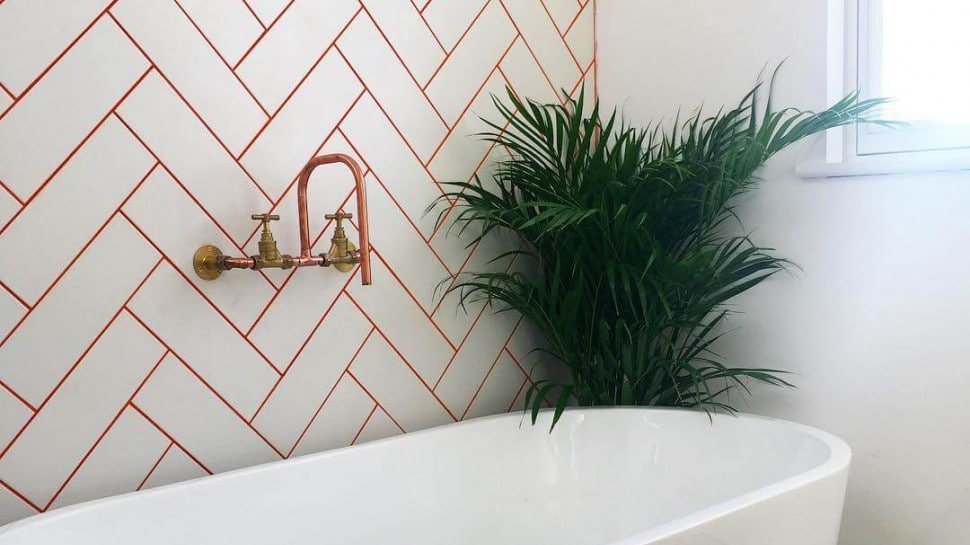
When selecting tile for a kitchen, bathroom, floor, or backsplash, most homeowners focus on the tile itself—the color, pattern, size, and texture. However, grout plays an equally important role in the appearance, durability, and long-term performance of a tile installation.
The right grout can enhance your tile design, protect against moisture, and help your floors and walls last for years. Choosing the wrong type or failing to maintain it properly can lead to cracking, discoloration, stains, and difficult cleaning.
This guide covers how to choose the right grout, basic application considerations, and long-term cleaning tips to keep your tile installation looking its best.
Why Grout Matters
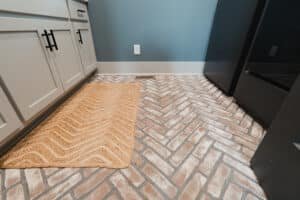
While grout is often considered a small design detail, it can dramatically change the look of a room. A matching grout color creates a seamless appearance, while a contrasting grout color highlights tile shapes and patterns.
Beyond appearance, grout selection affects:
- Durability
- Moisture resistance
- Maintenance requirements
- Resistance to stains and mildew
- Overall lifespan of the installation
Choosing the right grout for your tile and room conditions is an important part of creating a successful flooring or wall project.
Understanding Different Types of Grout
Several grout options are available, and each is designed for different applications.
Sanded Grout
Sanded grout contains fine sand particles that add strength and reduce shrinking as the grout dries. It is commonly used for floor tile and wider grout joints. Because of its texture, sanded grout should be used carefully with soft or easily scratched tile materials such as some polished stones.
- Best Applications:
(Photo via Marshalltown) - Ceramic and porcelain floor tile
- Natural stone tile
- Grout joints 1/8 inch or wider
- Advantages:
- Strong and durable
- Less likely to crack in wider joints
- More affordable than specialty grouts
Unsanded Grout
Unsanded grout does not contain sand, creating a smoother consistency. It is designed for narrow grout lines and delicate tile surfaces. Unsanded grout is not recommended for wider joints because it may shrink or crack over time.
- Best Applications:
- Wall tile
- Shower walls
- Glass tile
- Small grout joints under 1/8 inch
- Advantages:
- Smooth finish
- Easy to apply in tight spaces
- Less likely to scratch delicate surfaces
Epoxy Grout
Epoxy grout is made from epoxy resins and hardeners rather than traditional cement. It provides excellent durability and stain resistance. Epoxy grout typically costs more and requires more skill to install, but its low-maintenance performance makes it a popular choice for demanding areas.
- Best Applications:
(Photo via RUBI) - Kitchens
- Bathrooms
- Showers
- High-traffic areas
- Commercial spaces
- Advantages:
- Highly stain resistant
- Water resistant
- Does not require sealing
- Resistant to mold and mildew
Choosing the Right Grout Color
- Matching Grout – A grout color similar to your tile creates a continuous, spacious appearance. This approach works especially well with large-format tile where minimizing visual breaks is desired. Examples include:
- White grout with white tile
- Gray grout with gray stone-look tile
- Beige grout with warm-toned flooring
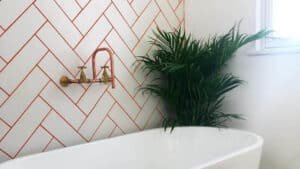
(Photo via RUBI)
- Contrasting Grout – A contrasting grout color emphasizes the shape and layout of the tile. Contrast can create a bold design statement but may require more frequent cleaning because lighter grout shows dirt more easily. Popular combinations include:
- White subway tile with dark gray grout
- Black tile with light grout
- Patterned tile with neutral grout
Grout Application Basics
Proper installation is essential for grout performance. Even high-quality grout can fail if it is installed incorrectly. At Tile Liquidators, we pride ourselves in our expert team of installers. Come visit us at any of our three store locations – Albertville, Gadsden, Huntsville – and speak with our team to see how Tile Liquidators is the right choice for your home renovation job. Here’s just a glimpse of our process to ensure grout is applied correctly:
- Prepare the Tile Surface – Before grouting, ensure the tile adhesive has fully cured. Then, remove excess mortar or debris from joints. Make sure tiles are clean and properly aligned
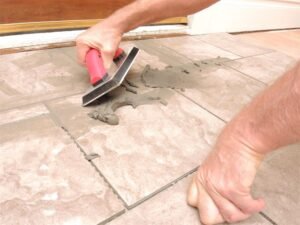
- Mix Grout Correctly – Grout is spread across the tile surface using a rubber float, forcing it into the joints. Excess grout is then removed before the material fully cures.
- Allow Proper Curing Time – Avoid heavy traffic or moisture exposure until the grout has fully cured. Rushing this process can affect strength and appearance.
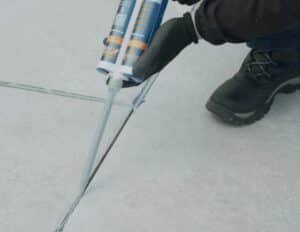
(Photo via Joint-It) - Should Grout Be Sealed? – Many cement-based grouts are porous and should be sealed after installation. A grout sealer helps protect against water absorption, staining, dirt buildup, and mold and mildew growth. Epoxy grout generally does not require sealing because it is naturally non-porous. Sealer should be reapplied periodically according to the manufacturer’s recommendations, especially in showers, kitchens, and high-use areas.
Long-Term Grout Cleaning Tips
Keeping grout clean requires regular maintenance rather than occasional deep cleaning.
- Clean Regularly – For routine care:
- Sweep or vacuum tile floors frequently.
- Mop with a mild, tile-safe cleaner.
- Wipe spills quickly.
- Use Gentle Cleaning Methods – For everyday grout cleaning:
- Use warm water and a mild cleaner.
- Scrub gently with a soft brush when needed.
- Avoid harsh abrasive products.
- Strong chemicals can damage grout over time and may cause discoloration.
- Address Mold and Mildew Early – Bathrooms and showers are especially vulnerable to mildew. Proper ventilation, regular cleaning, and sealing can help prevent growth. If mildew appears:
- Use a grout-safe cleaner.
- Allow the area to dry completely.
- Improve airflow in the room.
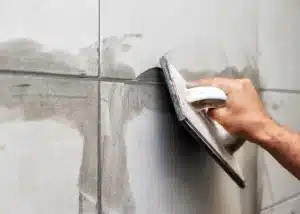
(Photo via Sealant Supplies)
- Avoid Common Grout Cleaning Mistakes – Small maintenance issues can become larger problems if left untreated. These are the general ‘don’ts’ and things to avoid when cleaning:
- Using steel wool or abrasive brushes
- Applying acidic cleaners regularly
- Allowing standing water to collect
- Ignoring cracked grout lines
Protect Your Tile Investment
Choosing the right grout is just as important as selecting the perfect tile. The correct grout type, color, and installation method will improve both the appearance and durability of your project.
With regular cleaning, proper sealing, and attention to small repairs, your grout can remain clean, strong, and attractive for many years.
At Tile Liquidators, we provide more than just materials; we provide the expert guidance to ensure your selections coordinate perfectly, and last for years. Our experts can help you assess your needs, educate you on the upkeep required, and connect you with the local professional teams who have the expertise to do the job right.