
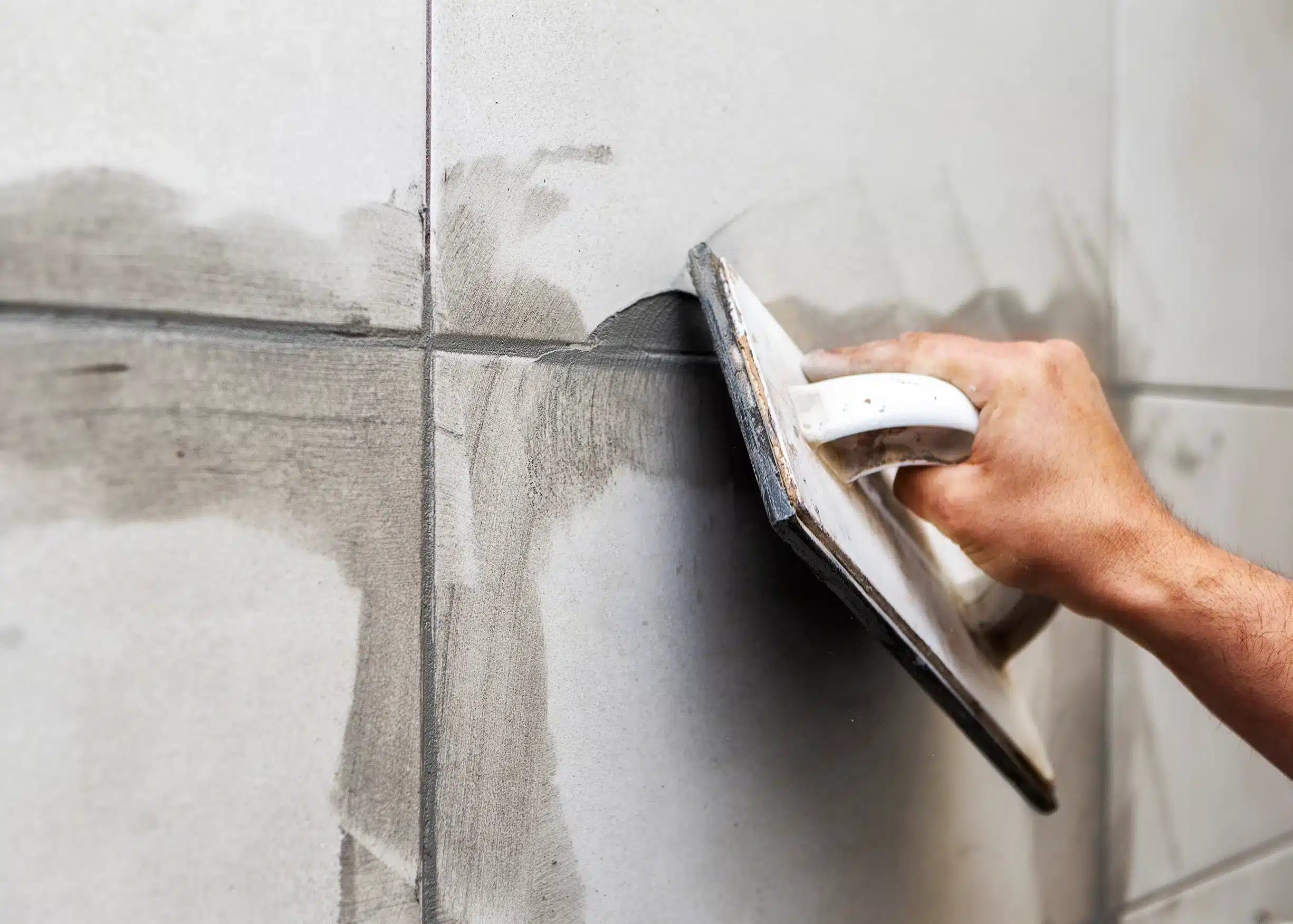
When planning a tile installation, most homeowners spend their time choosing the perfect tile but give little thought to the grout that holds it all together. In reality, grout plays a major role in both the appearance and performance of your finished project. The right grout can improve durability, resist stains, complement your design, and help your tile installation last for decades.
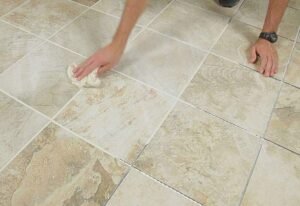
From choosing between sanded and unsanded grout to understanding epoxy grout, color selection, and sealing requirements, this buying guide covers everything you need to know before starting your next flooring, kitchen, or bathroom project.
What Is Grout?
Grout is a cement- or resin-based material used to fill the joints between tiles after installation. In addition to creating a finished appearance, grout helps lock tiles in place, protects the edges from damage, and prevents dirt and moisture from collecting between them.
Sanded Grout
Sanded grout contains fine sand particles that increase its strength and reduce shrinkage during curing. It is the most common grout used for floor tile installations and larger grout joints. Because of its texture, sanded grout is generally not recommended for highly polished stone surfaces that may scratch during installation.
- Best For: Floor tile, porcelain and ceramic tile, natural stone with wider grout joints (typically ⅛ inch or wider)
- Benefits: Strong and durable, less likely to crack in wider joints, cost-effective, available in a wide range of colors
Unsanded Grout

Unsanded grout, sometimes called non-sanded grout, has a smoother consistency because it does not contain sand. It is designed for narrower grout joints and delicate tile materials. Although unsanded grout works well in smaller joints, it is generally not recommended for wider grout lines because it can shrink or crack during curing.
- Best For: Wall tile, shower surrounds, glass tile, polished marble, grout joints (typically less than ⅛ inch wide)
- Benefits: Smooth finish, easier to work into narrow joints, won’t scratch delicate tile surfaces, ideal for decorative applications
Epoxy Grout
Epoxy grout differs from traditional cement-based grout because it is made from epoxy resins and hardeners rather than Portland cement. The result is an extremely durable, non-porous material that resists stains, moisture, and chemicals. Epoxy grout typically costs more than traditional grout and requires more precise installation, but many homeowners appreciate its low-maintenance performance and long lifespan.
- Best For: Showers, commercial kitchens, laundry rooms, high-moisture environments, heavy-use residential flooring
- Benefits: Excellent stain resistance, waterproof performance, no sealing required, highly resistant to mold and mildew, long-lasting durability
Choosing the Right Grout Color
- Matching Grout: Selecting a grout color similar to your tile creates a uniform, continuous appearance. This approach works especially well with large-format tile and modern designs where a seamless look is desired.
- Contrasting Grout: Using a contrasting grout color emphasizes the shape of each tile and can make decorative layouts, subway tile, or geometric patterns stand out. (Ex. White subway tile with dark gray grout creates a modern, graphic appearance, Black tile with light grout highlights each individual tile, Wood-look tile paired with coordinating grout creates a more natural effect)
- Neutral Grout Colors: Neutral shades remain the most popular because they complement a wide variety of tile styles (Ex. White, light grey, medium grey, charcoal, beige, warm taupe). Gray grout is particularly popular because it hides everyday dirt better than bright white while coordinating with many modern flooring and wall tile designs.
Do You Need to Seal Grout?
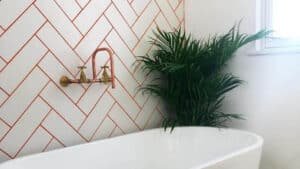
Whether grout needs sealing depends on the type you choose.
- Cement-Based Grout: Traditional sanded and unsanded cement grouts are porous and should generally be sealed after curing. In areas such as showers, kitchen backsplashes, and tile floors, periodic resealing helps extend the life of the grout and keeps it looking clean. A penetrating grout sealer helps protect against:
- Water absorption
- Food and beverage stains
- Mold and mildew growth
- Everyday dirt buildup
- Epoxy Grout: Epoxy grout is naturally non-porous and does not require sealing. Its built-in resistance to moisture and staining makes it a popular option for homeowners seeking minimal maintenance.
Tips For Choosing the Right Grout
Before purchasing grout, consider these factors:
- Match the grout type to your tile and joint width.
- Choose a color that complements your overall design.
- Consider maintenance requirements, especially in kitchens and bathrooms.
- Use high-quality sealers for cement-based grout.
- Follow manufacturer recommendations for curing and cleaning.
The Right Grout Makes All the Difference
Grout may seem like a small detail, but it has a big impact on the beauty, durability, and longevity of your tile installation. Choosing between sanded, unsanded, and epoxy grout—and selecting the right color and sealer—ensures your floors, backsplashes, showers, and other tiled surfaces perform as well as they look.
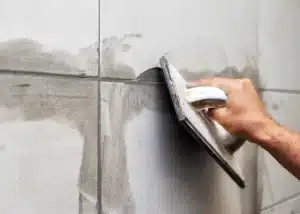
Whether you’re installing porcelain tile in a kitchen, natural stone in a bathroom, or ceramic tile throughout your home, investing in the proper grout and professional installation will help create a finished product that remains attractive, durable, and easy to maintain for years to come.
We don’t just sell flooring; we can review your floor plans, help you calculate material needs, and even recommend affordable, trusted installation vendors we have worked with for years. We take the stress out of the process, ensuring you get the right products at the best prices, all without the hassle.