
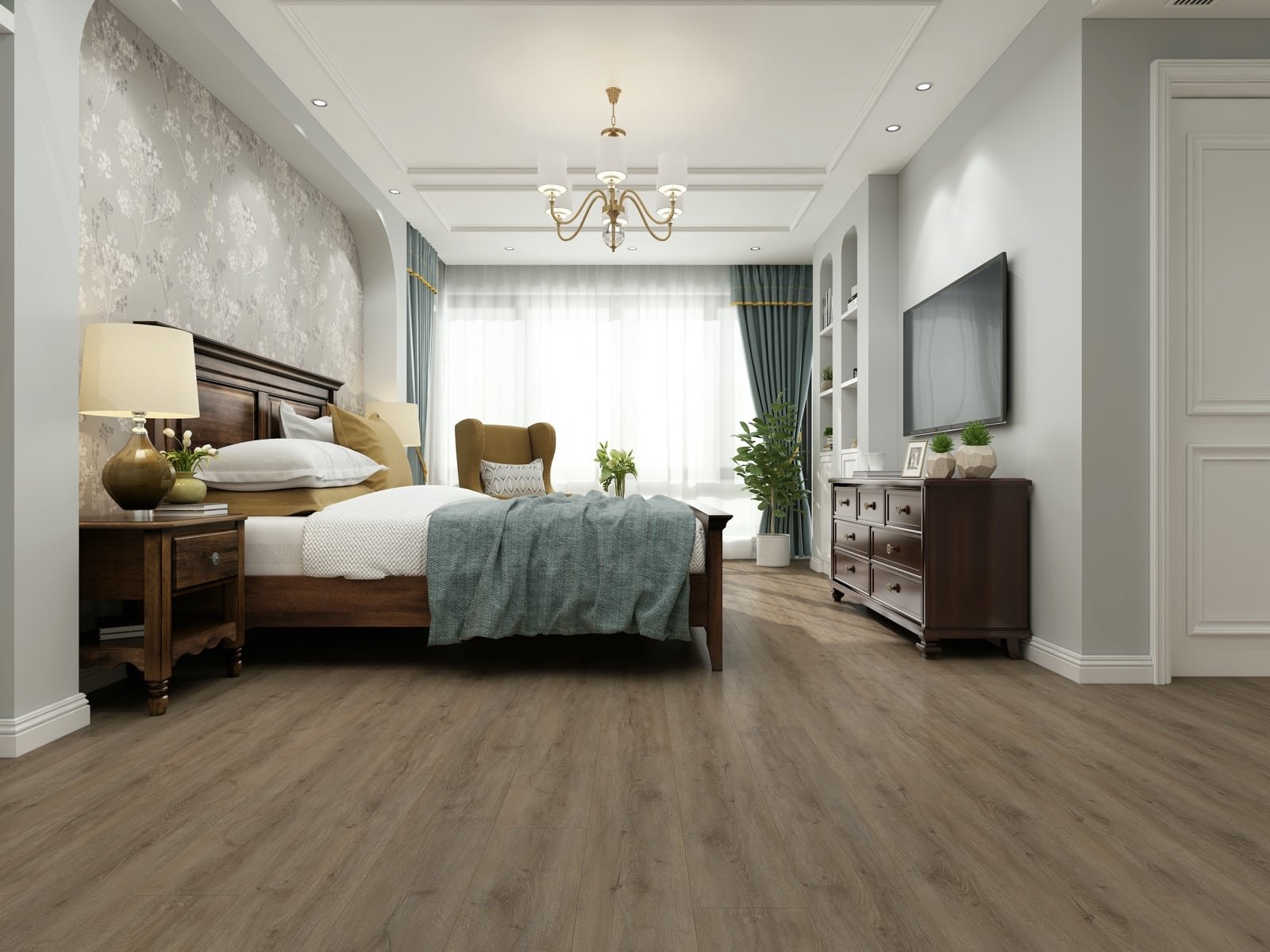
If you are currently browsing for new flooring, you have likely found yourself stuck between the two most popular options on the market: laminate and Luxury Vinyl Plank (LVP). They often look nearly identical in store displays, occupy similar price points, and both offer user-friendly “click-lock” installation. However, beneath the surface, these two materials are fundamentally different. Understanding these distinctions is the key to choosing a floor that will last for years to come.
What Are They Made Of?
The core difference between these two floors lies in their construction:
- Laminate: This flooring is primarily made from wood composites or fiberboard. It uses a high-resolution printed image layer topped with a tough, clear wear layer to mimic the look of natural wood or stone.
- Vinyl Plank (LVP): Unlike laminate, LVP is a 100% synthetic product, typically composed of PVC and other polymers. It is designed specifically to be waterproof and flexible.
Moisture Resistance: The Deciding Factor
If your primary concern is water, the distinction is clear.
- LVP: This is a fully waterproof product. Because it is synthetic, the planks will not swell, rot, or warp if they are exposed to standing water, making them the superior choice for kitchens, bathrooms, laundry rooms, and basements.

- Laminate: While many modern laminate options are “water-resistant” and can handle quick wipe-ups of spills, they are not truly waterproof. Because the core is wood-based, prolonged exposure to moisture can cause the edges to swell and the floor to buckle.
Durability and Aesthetics
Choosing between these two often comes down to which type of “wear” you are most worried about:
- Scratch Resistance: Laminate generally takes the lead here. Its top layer, often made of melamine resin or aluminum oxide, is incredibly hard and resistant to scratches from pet claws or shoe scuffs.
- Realism: Because laminate is thicker and uses advanced embossing techniques, many homeowners feel it provides a more authentic, “substantial” look and feel compared to vinyl.
- Maintenance: Vinyl is arguably easier to clean because it can withstand wet mopping. Laminate should only be damp-mopped, as excessive water can seep into the seams.
Quick Comparison Table
| Feature | Laminate | Vinyl Plank (LVP) |
| Material | Wood composite core | 100% Synthetic/PVC |
| Waterproof | Water-resistant only | Yes, 100% waterproof |
| Scratch Resistance | Excellent | Moderate |
| Best For | Dry living areas | Kitchens, baths, basements |
Which One Should You Choose?
There is no “better” floor, only the right floor for your specific room:
- Choose Laminate if: You are renovating a bedroom, living room, or home office where moisture is not a concern and you want the most realistic hardwood appearance and high scratch resistance.
- Choose Vinyl Plank (LVP) if: You are tackling a high-moisture area like a kitchen, bathroom, or basement, or if you have a busy household with pets where frequent accidents or spills are a reality.
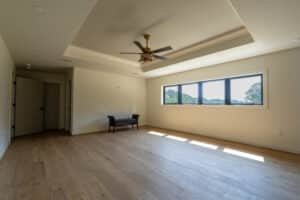 Digital photos and online brochures are a great starting point, but flooring is a tactile experience. You need to see how the light hits the grain of a plank, how the texture of a tile feels under your hand, and how the color shifts throughout the day. Come down to any of our Tile Liquidators locations in Albertville, Huntsville, or Gadsden, and see for yourself what a difference it makes!