
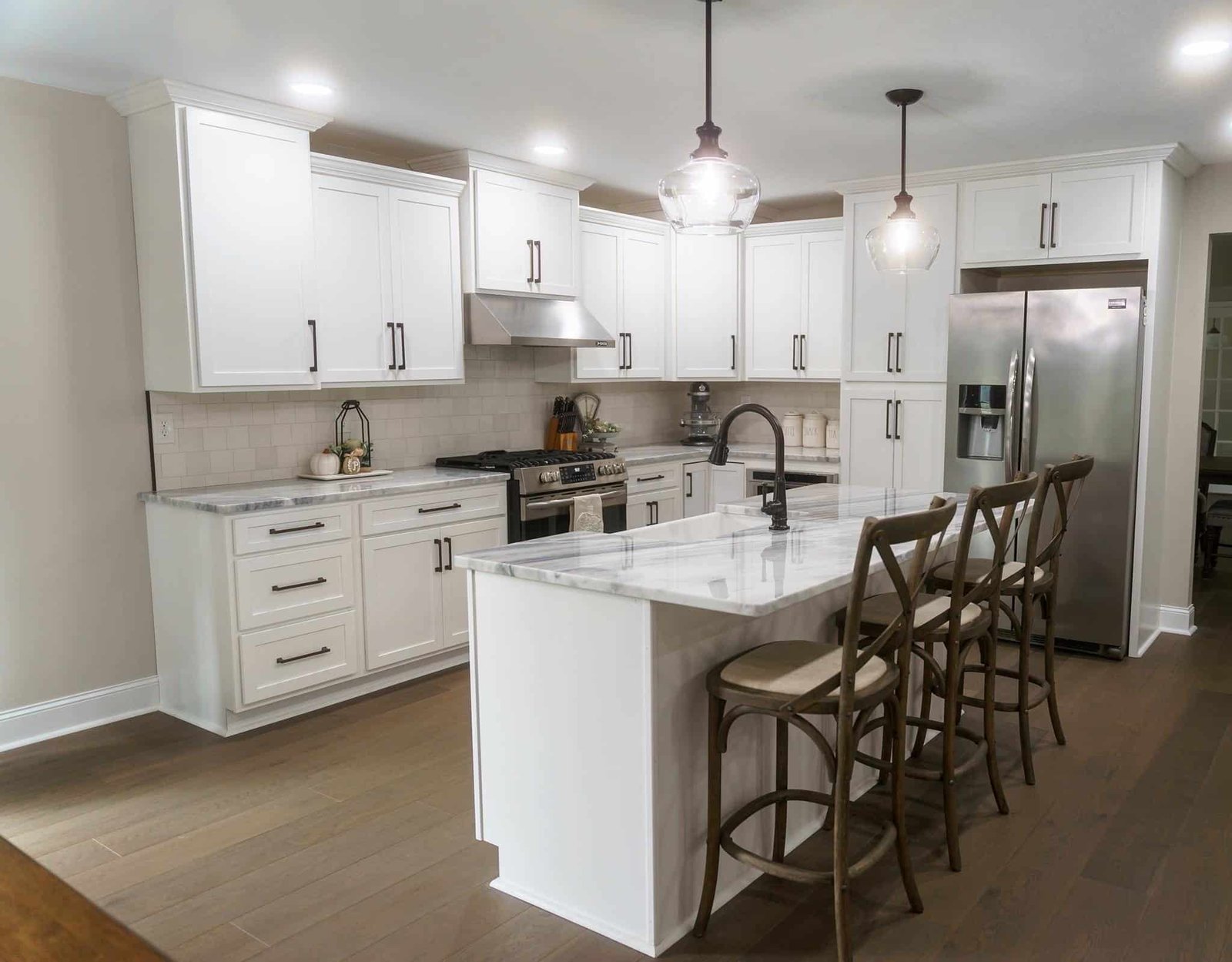
The kitchen is one of the busiest rooms in any home, serving as a place for cooking, gathering, entertaining, and everyday family activities. Because kitchens experience heavy foot traffic, spills, moisture, and frequent cleaning, choosing the right flooring is essential.
The best kitchen flooring should balance durability, style, comfort, and maintenance. While tile has long been a popular choice, modern options such as luxury vinyl, hardwood, laminate, and concrete provide homeowners with more design flexibility than ever before.
This kitchen flooring guide compares the most popular materials, including their benefits, drawbacks, and what makes them a good fit for different households.
What To Consider When Choosing Kitchen Flooring
Before selecting a flooring material, consider how your kitchen is used and what features matter most.
Important factors include:
- Moisture resistance: Kitchens are prone to spills, splashes, and humidity.
- Durability: Floors should withstand heavy traffic, dropped items, and daily wear.
- Maintenance: Easy-to-clean surfaces are ideal for busy households.
- Comfort: Kitchens involve long periods of standing, so underfoot feel matters.
- Design: Flooring should complement cabinets, countertops, and backsplash materials.
The right choice depends on your lifestyle, budget, and overall kitchen design.
Tile Flooring in Kitchens
Tile remains one of the most popular kitchen flooring options because of its durability, versatility, and moisture resistance.
Porcelain Tile
Porcelain tile is a dense, durable material that performs exceptionally well in kitchens. It is available in countless colors, patterns, and textures, including designs that mimic hardwood, stone, and concrete.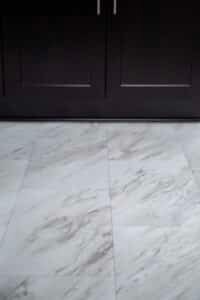
- Benefits: Highly durable, water resistant, easy to clean, available in many styles, works well with radiant heating systems
- Drawbacks: Hard surface can be uncomfortable for long periods of standing, grout lines require maintenance, installation can be labor intensive
Porcelain tile is an excellent choice for homeowners seeking a long-lasting kitchen floor with a premium appearance.
Ceramic Tile
Ceramic tile offers many of the same benefits as porcelain while often being more affordable.
- Benefits: Budget-friendly, wide variety of designs, easy maintenance, resistant to moisture
- Drawbacks: Generally less dense than porcelain, may be more prone to chips in high-impact situations
- Ceramic tile works well in many residential kitchens, especially when properly installed.
Luxury Vinyl Flooring For Kitchens
Luxury vinyl plank (LVP) and luxury vinyl tile (LVT) have become increasingly popular kitchen flooring options due to their combination of durability, comfort, and affordability.
Luxury vinyl can replicate the look of hardwood, stone, and tile while providing excellent performance in moisture-prone areas.
- Benefits: Water resistant/waterproof options available, softer and warmer underfoot than tile, comfortable for standing while cooking, easy installation, wide range of designs, lower cost than many natural materials
- Drawbacks: Cannot be refinished like hardwood, lower-quality products may show ear over time, heavy furniture can potentially dent the surface
For families, pet owners, and homeowners seeking low-maintenance flooring, luxury vinyl is one of the most practical kitchen choices.
Hardwood Flooring For Kitchens
Hardwood flooring brings warmth, character, and timeless appeal to kitchen designs. Many homeowners love the seamless look of hardwood extending from the kitchen into nearby living spaces.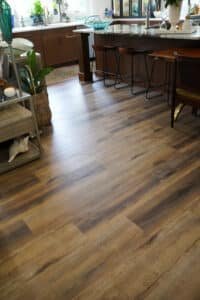
- Benefits: Beautiful natural appearance, adds warmth and value to a home, can be refinished multiple times, available in many species and finishes
- Drawbacks: Sensitive to excessive moisture, can scratch or dent, requires more maintenance than tile or vinyl
If choosing hardwood for a kitchen, consider durable species, protective finishes, and proper maintenance routines. Engineered hardwood can also be a good option because its layered construction provides improved stability.
Laminate Flooring In Kitchens
Laminate flooring offers the appearance of wood or stone at a more affordable price point. Modern laminate products have improved significantly in durability and design quality.
- Benefits: Affordable, scratch-resistant, easy installation, available in realistic wood-look designs
- Drawbacks: Traditional laminate can be vulnerable to moisture, cannot be refinished, damage may require plank replacement
Water-resistant laminate options can work well in kitchens when installed correctly and maintained properly.
Concrete Flooring In Kitchens
Concrete flooring has become a popular choice for modern and industrial-style kitchens. Polished, stained, or decorative concrete can create a unique design statement.
- Benefits: Extremely durable, easy to clean, customizable appearance, works well with modern designs
- Drawbacks: Hard surface, can feel cold without radiant heating, may require resealing
Concrete is ideal for homeowners looking for a distinctive, low-maintenance kitchen floor with a contemporary appearance.
Natural Stone Flooring In Kitchens
Natural stone such as marble, granite, slate, and travertine provides a luxurious and unique look.
- Benefits: Premium appearance, each piece has natural variation, highly durable options available, added architectural character
- Drawbacks: Higher cost, requires sealing, some stones can scratch or stain
Natural stone is best for homeowners who appreciate authentic materials and are willing to invest in proper maintenance.
Choosing the Right Kitchen Flooring
The best kitchen flooring combines practical performance with a design you love. Tile provides unmatched durability, vinyl offers comfort and convenience, hardwood adds warmth and value, laminate delivers affordability, and concrete creates a modern statement.
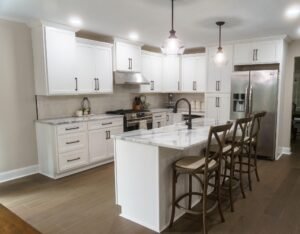 Before making a decision, consider your cooking habits, household needs, maintenance preferences, and design goals. By choosing a flooring material that fits your lifestyle, you can create a kitchen floor that looks beautiful and performs reliably for years to come.
At Tile Liquidators, we’ve spent over 30 years serving North Alabama. Understanding how we bridge the gap between “luxury” and “affordable” begins with understanding how our inventory model works. We combine premium brands with carefully selected imports to ensure that while our prices are competitive, the quality remains high enough for long-term residential and commercial use.