

Choosing the right bathroom flooring requires more than simply finding a style you love. Bathrooms are unique spaces where floors must withstand constant exposure to moisture, humidity, spills, and temperature changes. The best bathroom flooring options combine water resistance, durability, safety, and design appeal.
From classic porcelain tile to modern luxury vinyl, homeowners have more choices than ever when selecting a bathroom floor. However, not every flooring material performs equally in wet environments. Factors such as waterproof construction, slip resistance, maintenance requirements, and overall style should all be considered before making a decision.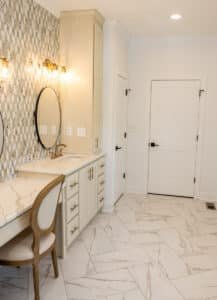
This guide compares the most popular bathroom flooring options and explains which materials provide the best performance for different needs and design preferences.
What Makes Good Bathroom Flooring?
Before choosing a material, it is important to understand the features that matter most in a bathroom.
Moisture Resistance
Bathrooms experience more water exposure than nearly any other room in the home. Water-resistant or waterproof flooring helps prevent damage such as warping, swelling, staining, and mold growth. Flooring should be able to handle:
- Water splashes around sinks and tubs
- Humidity from showers
- Spills and cleaning
- Occasional standing water
Slip Resistance
Safety is another major consideration. Bathroom floors can become slippery when wet, especially smooth surfaces with glossy finishes. Look for flooring with:
- Textured surfaces
- Matte finishes
- Slip-resistant ratings
- Smaller tile formats with more grout lines for added traction
Style and Design
Bathrooms are often smaller spaces, making flooring a great opportunity to add personality. The right flooring should complement your vanity, shower tile, countertops, and overall bathroom design. Modern flooring options can mimic the look of:
- Natural stone
- Hardwood
- Concrete
- Marble
- Decorative tile patterns
Porcelain Tile: The Top Choice For Durability
Porcelain tile remains one of the most popular bathroom flooring options because of its exceptional durability and moisture resistance. Porcelain is made from dense clay materials fired at high temperatures, creating a surface that absorbs very little water.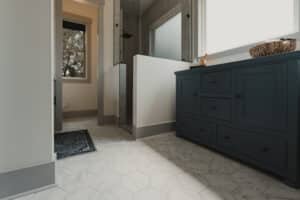
- Benefits – Porcelain tile is highly water resistant, is extremely durable, and is available in countless designs. It is also easy to clean, and works well with radiant heating systems. Modern porcelain tile can replicate the appearance of luxury materials such as marble, wood, and stone while requiring much less maintenance.
- Considerations – Hard surfaces may feel cold underfoot, installation requires professional skill, and grout lines require regular cleaning. But for homeowners seeking a long-lasting bathroom floor, porcelain tile is one of the best overall choices.
Ceramic Tile: The Affordable and Versatile Option
Ceramic tile offers many of the same benefits as porcelain and is often available at a lower price point. Ceramic tile works well in many residential bathrooms, especially when properly installed and sealed. It is a practical choice for homeowners who want a traditional tile appearance without the higher cost of some premium materials.
- Benefits – Ceramic tile is the budget friendly option when considering bathroom tile. It comes in a wide variety of colors and styles, is easy to clean, and is moisture resistant.
- Considerations – Ceramic tile is slightly less dense than porcelain, and may not be ideal for heavy traffic.
Luxury Vinyl Flooring: Comfortable and Waterproof
Luxury vinyl plank (LVP) and luxury vinyl tile (LVT) have become increasingly popular bathroom flooring choices because they combine comfort, durability, and water resistance. Many modern vinyl products are designed to be fully waterproof, making them suitable for moisture-prone spaces. Luxury vinyl is especially appealing for homeowners who want the appearance of hardwood without worrying about water damage. For families, rental properties, and busy households, waterproof vinyl is a practical and stylish option.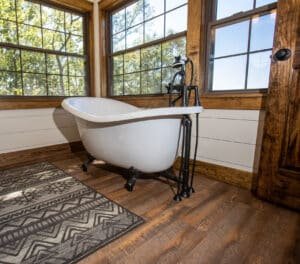
- Benefits – LVT is often softer than traditional tile options. It is available in wood and stone looks, and has an easy installation process. Waterproof options are available.
- Considerations – LVT cannot typically be refinished, and lower quality products may show wear faster.
Natural Stone Tile: Luxury With Maintenance Requirements
Natural stone flooring such as marble, travertine, slate, and limestone creates a high-end bathroom appearance. Each piece of natural stone has unique variations, making every installation one of a kind. Stone flooring is ideal for homeowners who appreciate natural materials and are willing to invest in proper care.
- Benefits – Natural Stone Tile offers a premium appearance with natural textures and character. It adds value to your home and can last a very long time when maintained properly.
- Considerations – This option requires sealing, and can be more expensive to install. Some stones are more porous than others, with maintenance requirements varying by type.
Waterproof Laminate: A Limited Bathroom Option
Traditional laminate flooring is not usually recommended for bathrooms because moisture can damage the core material. However, newer waterproof laminate products have improved performance. Always verify that a laminate product is specifically rated for moisture-prone areas before installation.
- Benefits – Laminate is one of the more affordable options, with arguably the easiest installation process, while still offering a realistic wood-look for design.
- Considerations – Product quality can vary greatly, and standing water can still create issues.
Concrete Flooring: Modern and Durable
Concrete flooring has become a popular option for contemporary bathrooms. Polished or decorative concrete creates a sleek, minimalist appearance. Concrete works especially well in modern, industrial, and spa-inspired bathroom designs.
- Benefits – Concrete is an extremely durable and easy to clean option, which is water resistant when properly sealed. Finishes can be customized.
- Considerations – The surface is extremely hard, requires sealing, and can feel cold without radiant heating.
Choosing the Right Bathroom Flooring
The best bathroom flooring depends on your priorities, lifestyle, and design goals. Porcelain tile offers unmatched durability, luxury vinyl provides comfort and waterproof performance, natural stone creates a premium appearance, and concrete delivers modern style.
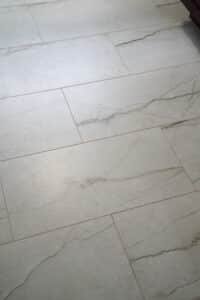 When comparing bathroom flooring options, consider not only how the material looks but also how it performs in a wet environment. Choosing a floor with the right moisture resistance, slip protection, and maintenance requirements will help create a bathroom that is both beautiful and functional.
With the right flooring choice, your bathroom can become a stylish, safe, and durable space that stands up to everyday use for years to come.
At Tile Liquidators, we’ve spent over 30 years serving North Alabama. Understanding how we bridge the gap between “luxury” and “affordable” begins with understanding how our inventory model works. We combine premium brands with carefully selected imports to ensure that while our prices are competitive, the quality remains high enough for long-term residential and commercial use.