
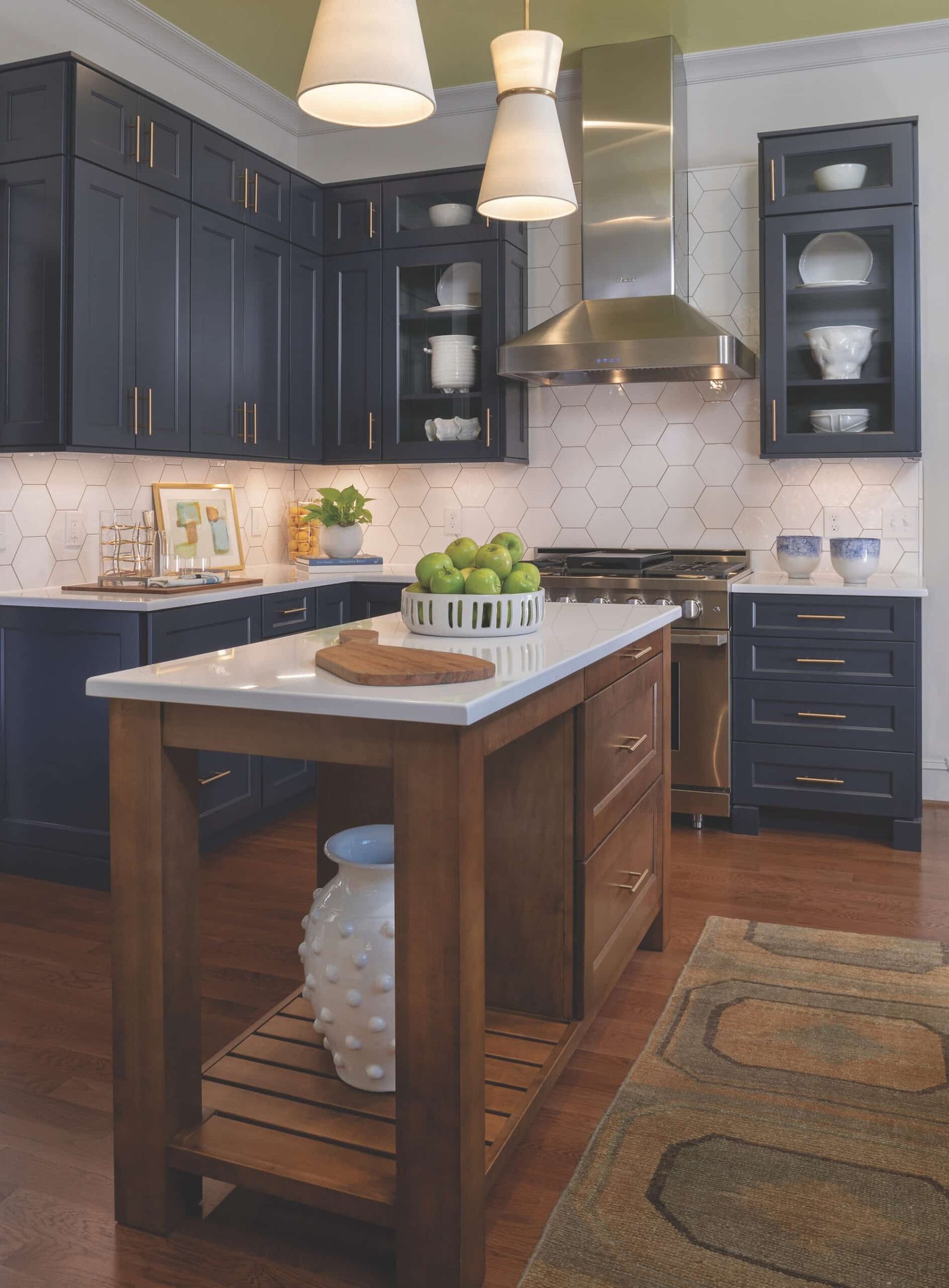
A kitchen backsplash is one of the most impactful design features in any remodel. While it serves a practical purpose by protecting walls from water, grease, and food splashes, a backsplash also provides an opportunity to add color, texture, and personality to your kitchen.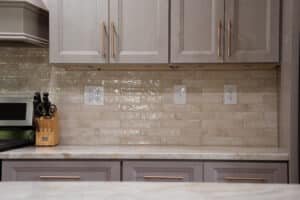
From classic subway tile to bold statement patterns, the right backsplash can transform an ordinary kitchen into a stylish and functional space. With countless materials, colors, and layouts available, homeowners can create everything from a timeless traditional design to a modern showpiece.
Types of Backsplash Tile Materials
Classic Subway Tile: A Timeless Favorite
Subway tile remains one of the most popular backsplash choices because of its versatility and clean appearance. Traditionally rectangular and white, modern subway tile is now available in many colors, sizes, textures, and finishes.
- Design Ideas:
- White subway tile with dark grout for contrast
- Handmade-look subway tile for added texture
- Oversized subway tile for a modern appearance
- Colored subway tile for a bold accent
- Cost Considerations: Ceramic subway tile is often one of the most budget-friendly backsplash options, typically ranging from affordable material costs to moderate installation expenses depending on tile style and labor complexity. Subway tile works well in nearly any kitchen style, including farmhouse, transitional, traditional, and contemporary designs.
Natural Stone Backsplashes: For Luxury and Character
Natural stone adds a unique, high-end appearance because every piece features natural variations in color and pattern. Popular options include marble, travertine, slate, and granite.
- Popular Stone Styles:
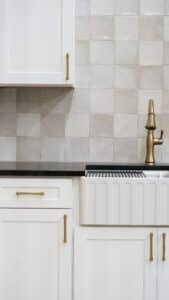
- Marble: Known for elegant veining and a luxurious appearance, marble is often used in upscale kitchens.
- Travertine: Provides warm, earthy tones that complement rustic and Mediterranean designs.
- Slate: Offers darker colors and natural texture for modern and rustic spaces.
- Benefits: Unique appearance, adds visual depth, premium look and feel
- Cost Considerations: Natural stone typically requires sealing to protect against stains and moisture. It may also require more maintenance than ceramic or porcelain tile. Because stone varies in price depending on the material and rarity, costs can range from moderate to premium.
Glass Tile: For a Bright, Modern Look
Glass tile creates a reflective surface that can make a kitchen feel brighter and more open. It is especially effective in smaller kitchens or spaces with limited natural light. While glass tile can be more expensive than standard ceramic options, it provides a distinctive design element that can elevate a kitchen.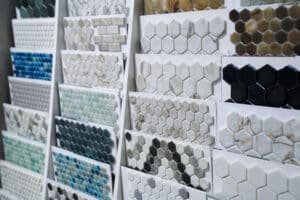
- Benefits: Reflects light, easy to clean, available in many colors, creates a sleek appearance
- Common Uses: Mosaic patterns, accent strips, full-height backsplashes
Porcelain Tile: Durable and Design-Friendly
Porcelain tile offers excellent durability and comes in a wide variety of styles. Modern manufacturing allows porcelain to mimic natural materials such as marble, wood, and stone. Porcelain is a great choice for homeowners who want the appearance of luxury materials with less maintenance.
- Benefits: Resistant to moisture, durable surface, easy maintenance, wide range of designs
Bold Patterns and Statement Backsplashes
A backsplash does not have to blend in. Many homeowners are choosing statement designs that become the focal point of the kitchen. Popular statement backsplash ideas include:
- Geometric Tile: Hexagons, diamonds, and patterned tiles add visual interest and create a custom look.
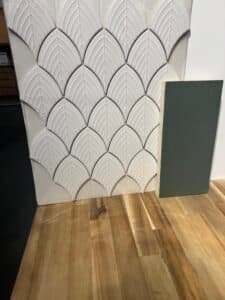
- Herringbone Layouts: A herringbone pattern adds movement and sophistication, especially with subway tile or elongated rectangular tile.
- Handmade and Textured Tile: Tile with uneven surfaces, subtle variations, or handcrafted finishes adds warmth and character.
- Full-Height Backsplashes: Extending tile from the countertop all the way to the ceiling creates a dramatic, designer-inspired appearance.
Popular Backsplash Layout Options
The tile layout can completely change the overall feel of the installation.
- Traditional Brick Pattern: The classic offset pattern creates a familiar and timeless appearance.
- Straight Stack Pattern: Tiles are aligned in straight rows for a clean, modern design.
- Vertical Slack: Turning rectangular tile vertically can make walls appear taller and creates a contemporary look.
- Herringbone Pattern: This angled layout creates a decorative focal point and works well as an accent feature.
- Mosaic Pattern: Small tiles allow for intricate designs and artistic customization.
Coordinating Your Backsplash With Kitchen Finishes
A successful backsplash design should work with the other elements in your kitchen.
Consider coordinating with:
- Cabinet color
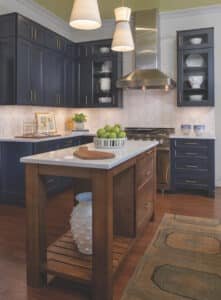
- Countertop material
- Flooring
- Hardware finishes
- Lighting
For example:
- White cabinets pair well with colorful or textured backsplash tile.
- Dark cabinets can be balanced with lighter backsplash materials.
- Natural wood cabinets complement warm stone or earthy tile tones.
- Neutral countertops allow more freedom with bold backsplash designs.
Backsplash Cost Considerations
The cost of a kitchen backsplash depends on several factors, including material choice, tile size, layout complexity, and installation requirements. General cost factors include:
- Tile Material
- Budget-Friendly Options:
- Basic ceramic tile
- Standard subway tile
- Mid-Range Options:
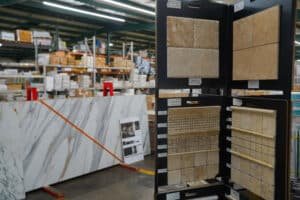
- Porcelain tile
- Decorative ceramic tile
- Glass tile
- Premium Options:
- Marble
- Natural stone
- Custom mosaics
Installation Complexity & Additional Costs
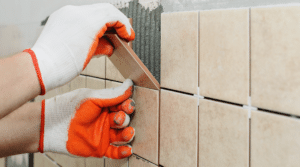
Simple layouts typically cost less because they require fewer cuts and less labor. More complex designs, such as herringbone patterns or intricate mosaics, require additional installation time and precision. Remember to include costs for:
- Mortar or adhesive
- Grout
- Sealers
- Trim pieces
- Surface preparation
Create a Backsplash That Complements Your Kitchen
A kitchen backsplash is an opportunity to combine function and creativity. Whether you prefer a classic subway tile design, a luxurious marble statement wall, or a colorful patterned accent, the right backsplash can completely transform your space.
When planning your project, consider your kitchen style, maintenance preferences, budget, and how the backsplash will coordinate with existing finishes. With thoughtful material selection and a well-planned layout, your backsplash can become a beautiful feature that enhances your kitchen for years to come.
At Tile Liquidators, we’ve spent over 30 years serving North Alabama. Understanding how we bridge the gap between “luxury” and “affordable” begins with understanding how our inventory model works. We combine premium brands with carefully selected imports to ensure that while our prices are competitive, the quality remains high enough for long-term residential and commercial use.