
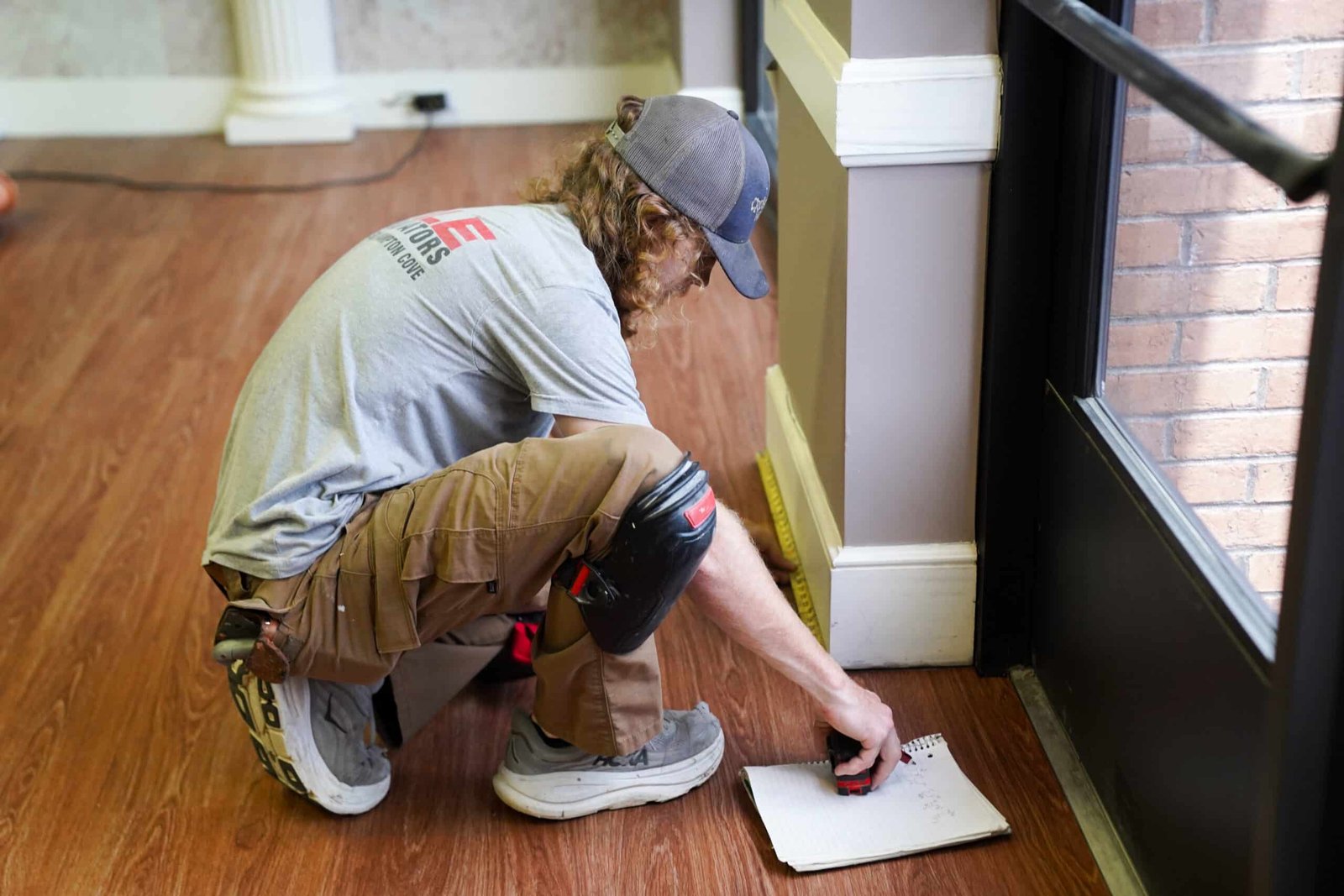
Embarking on a flooring project is an exciting way to transform your home, but one of the first and most critical decisions you will face is whether to tackle the installation yourself or bring in professional help. While the DIY approach can be a rewarding way to save on labor costs and learn a new skill, some projects require a level of precision and specialized tooling that goes beyond the weekend warrior’s toolkit.
At Tile Liquidators, we provide more than just materials; we provide the expert guidance to ensure your selections coordinate perfectly, and last for years. Our experts can help you assess your needs, educate you on the upkeep required, and connect you with our local professional installation team who have the expertise to do the job right.
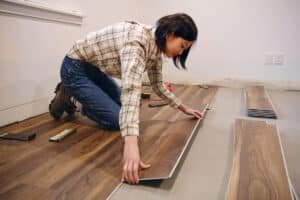
When To Take the DIY Route
Installing your own flooring is most feasible when the project involves materials that are designed for easy handling and where the subfloor prep is straightforward.
- Floating Floors (LVP and Laminate): Many modern Luxury Vinyl Plank (LVP) and laminate floors feature “click-lock” systems that are specifically engineered for the DIY enthusiast. Because these floors do not require glue, nails, or grout, they are often the most forgiving projects for beginners.
- Small, Simple Spaces: Projects in areas like a spare bedroom, a walk-in closet, or a small home office are excellent “starter” projects. These rooms generally have fewer obstructions like cabinets, vents, or intricate corners to work around.
- You Have the Right Tools: If you already own (or are willing to rent) a miter saw, jigsaw, tapping block, and level, and you have the physical capacity to handle the prep work, you are well-positioned for success.
When To Call in a Professional Installation Team
Some flooring installations involve complexity that can lead to expensive mistakes if not handled by someone with years of experience. You should strongly consider hiring a professional if your project involves the following:
1. Complex Subfloor Preparation
The longevity of any floor depends on what is underneath it. If your concrete slab is uneven, has high moisture levels, or requires extensive leveling compounds before installation, it is a job for a professional. A poor subfloor will eventually cause even the most expensive flooring to buckle, crack, or separate at the joints.
2. Large-Format Tile or Natural Stone
Tile and stone installation is a different beast entirely. It requires:
- Specialized Tooling: You will need wet saws, diamond blades, and specific leveling spacers that are rarely found in a standard DIY toolkit.
- Structural Considerations: Large-format tiles require a perfectly flat surface and high-performance mortars. If installed incorrectly, they are prone to “lippage” (uneven edges) and cracking under pressure.
- Grouting and Sealing: Achieving a clean, durable grout line that is properly sealed requires significant experience to ensure the finished result is both beautiful and waterproof.

3. Hardwood Flooring (Glue-Down or Nail Down)
Unlike floating vinyl, traditional hardwood installation often requires pneumatic nailers, moisture testing, and a deep understanding of wood’s tendency to expand and contract. Mistakes in spacing or subfloor moisture mitigation can result in massive, irreversible damage to your investment.
The “Middle Ground”: A Hybrid Approach
If you are hesitant to commit to a full installation but still want to be involved, consider a hybrid approach:
- Do the Demolition: Many professionals are happy to let homeowners handle the removal and disposal of old carpet or existing floors. This can save you money on labor costs without compromising the quality of the new installation.
- Handle the Finishing Touches: You might hire a pro to install the main floor, while you choose to handle the installation of trim, baseboards, or transition strips yourself afterward.
Making Your Decision
 If you are looking at a project involving porcelain tile, intricate patterns, or solid hardwood, the precision required makes professional installation a smart investment that protects your material costs. On the other hand, if you are looking at a straightforward LVP installation in a rectangular room, you have a great opportunity to save on labor and take pride in your own craftsmanship.
At Tile Liquidators, we understand that finding the right professional can be daunting. That is why we’ve built a reputation for helping our customers every step of the way. We don’t just sell flooring; we work as a full service team from planning to installation.
We can review your floor plans, help you calculate material needs, and ensure that the jobs are completed on time, within budget, and meet your specifications. We take the stress out of the process, ensuring you get the right products at the best prices, all without the hassle. If you aren’t sure where to start, visit one of our showrooms in Albertville, Huntsville, or Gadsden.